Extremophile Multi-Omics DatabasE (ExMODE)
The Extremophile Multi-Omics DatabasE (ExMODE) is a comprehensive platform focused on collecting and analyzing biological samples from extreme environments, including deep-sea, thermophilic, psychrophilic, acidophilic, and halophilic conditions. With over 3,500 samples and a data volume of more than 120 Tb, this database provides rich resources for studying the adaptive mechanisms of life in extreme environments. These data are not only valuable for exploring the limits of life but also hold potential applications in biotechnology, pharmaceutical development, and environmental protection.
MapFinder
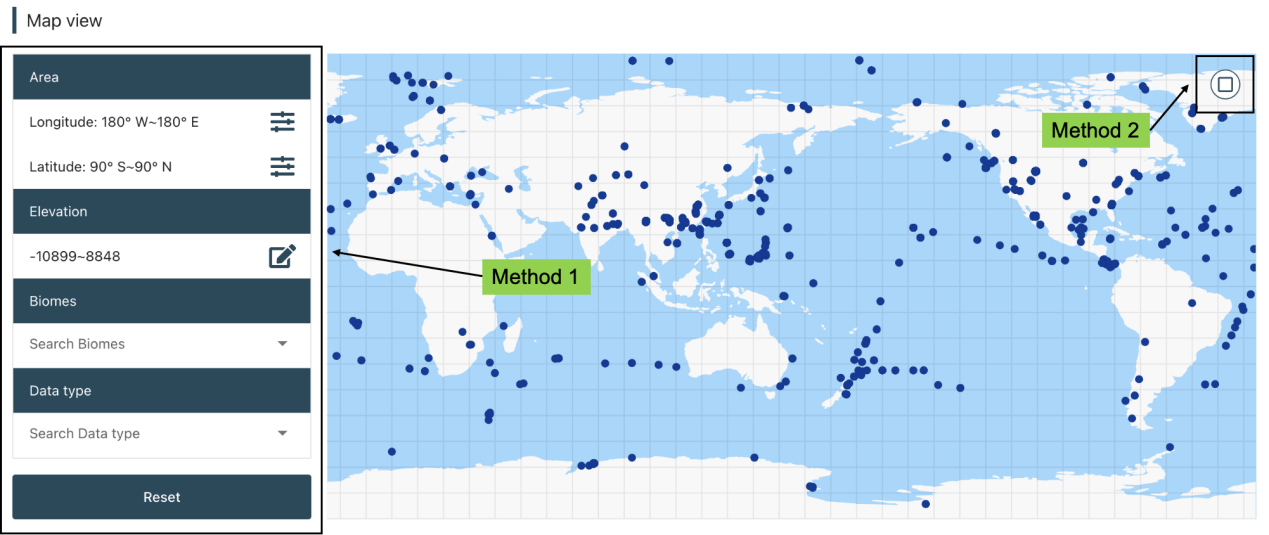
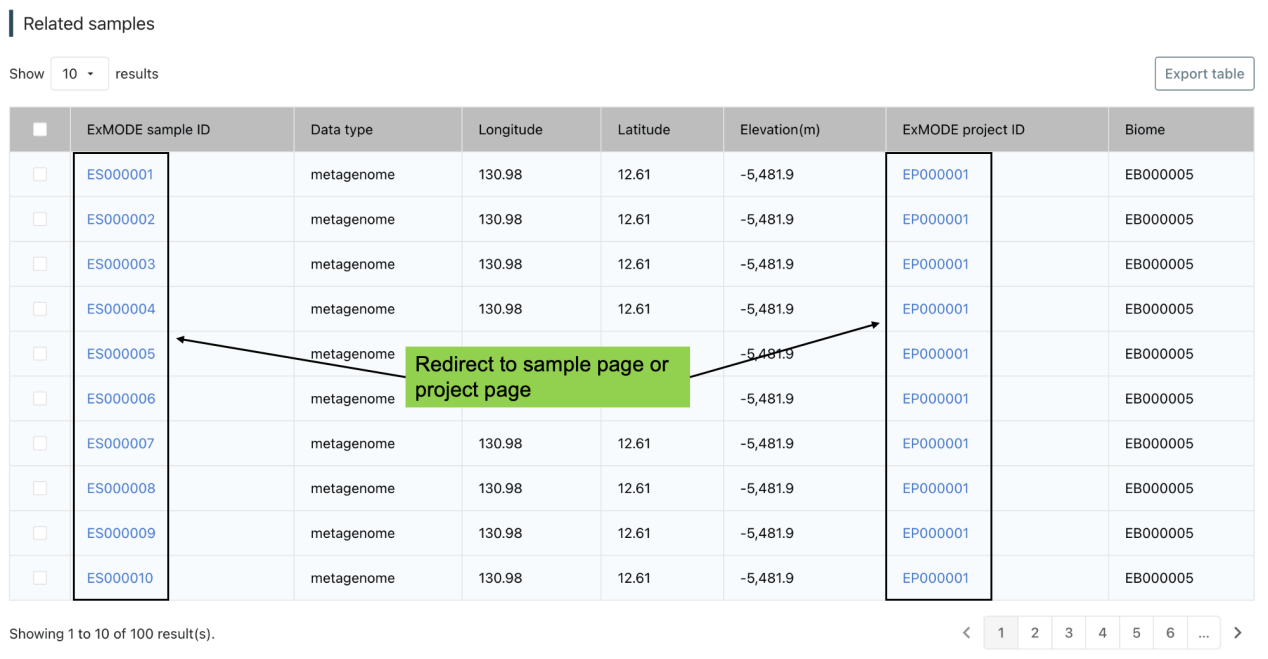
In this module, users can filter and search for samples through two methods: Method 1: Utilize the left sidebar of the map to filter based on criteria such as latitude and longitude, elevation, biomes, and data type. The detailed information of the filtered samples will be presented in a table below. Method 2: Employ the "Region Selection" module located in the upper right corner of the map. Specifically, users can delineate a rectangular area on the map to retrieve samples within that specific region. Similarly, the filtered sample information is displayed in a table below. Within the "related sample" section, users possess the capability to export either a subset or the complete set of sample data. Furthermore, selecting "ExMODE sample ID" or "ExMODE project ID" will navigate users to the detailed page of the corresponding sample or project.
SeqFinder
In this module, users can search the database for potential candidate sequences using sequence-level information such as genes, genomes, and biosynthetic gene clusters (BGCs).
1.1 Gene/Protein search
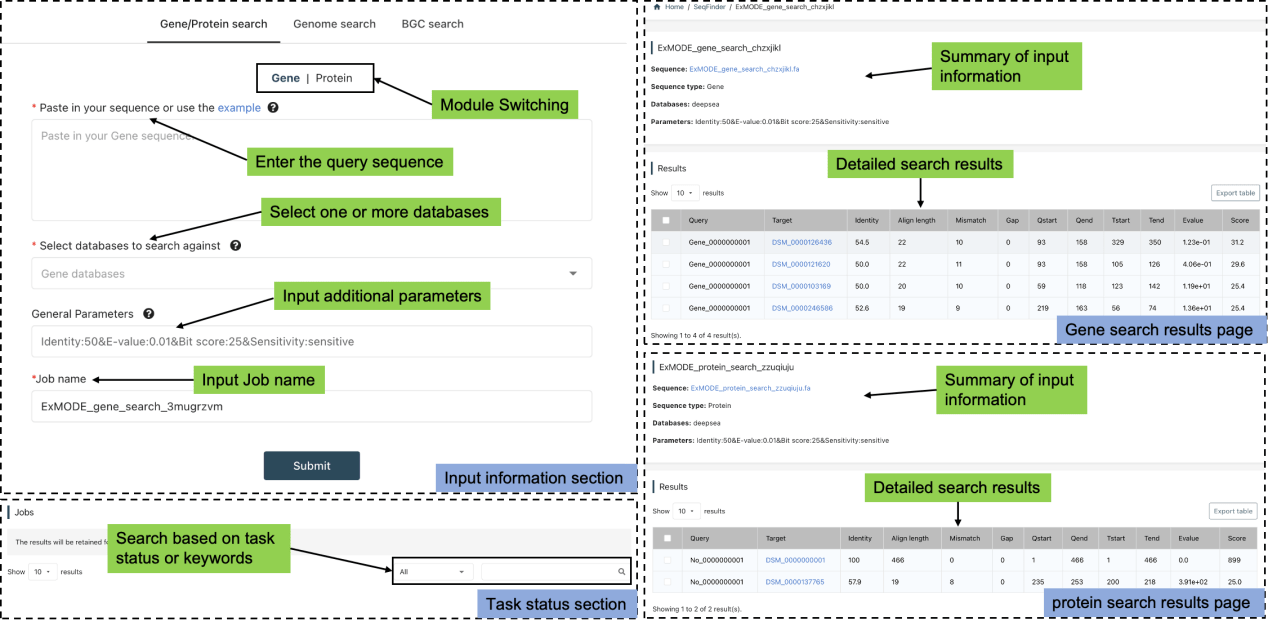
In this module, users can submit gene or protein sequences for analysis. The search functionality is powered by Diamond software development. Users can conduct advanced queries based on identity, E-value, bit-score, and sensitivity. Furthermore, users have the option to select one or multiple databases for their search. Once the results are submitted, users can monitor the status (waiting/Running/Success/Error) of their tasks and employ filters to manage their historical tasks. Note: The results will be retained for one week before being automatically deleted.
1.2 Genome search
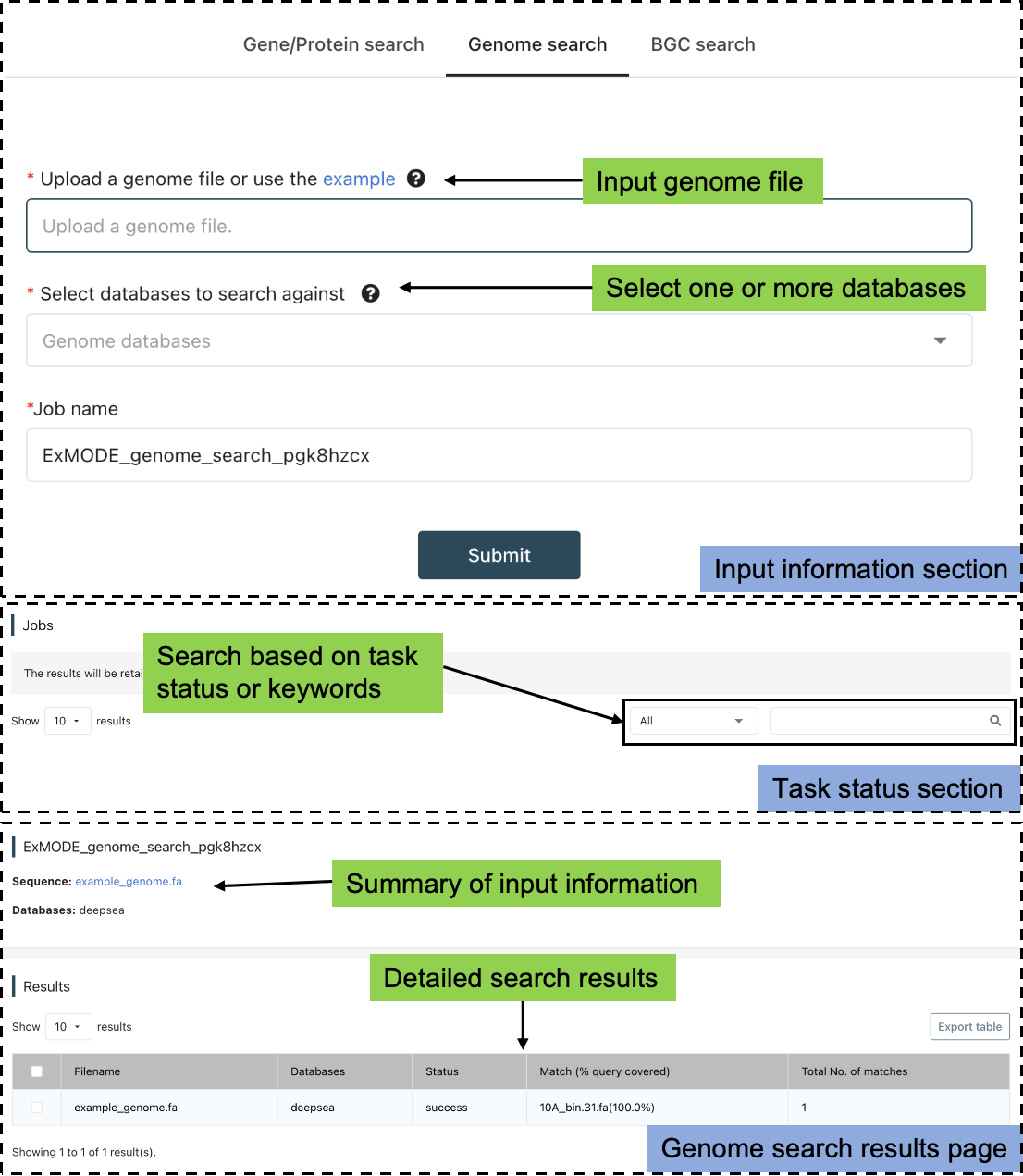
In this module, users can upload genome files for analysis. The search functionality is powered by Sourmash software, allowing users to choose one or multiple databases for their searches. Once the results are submitted, users can monitor the status (waiting/Running/Success/Error) of their tasks and employ filters to manage their historical tasks. Note: The results will be retained for one week before being automatically deleted.
1.3 BGC search
In this module, users can submit BGC genebank files for searching. The search function is developed based on cblaster software, allowing users to select one or more databases for search queries. Once the results are submitted, users can monitor the status (waiting/Running/Success/Error) of their tasks and employ filters to manage their historical tasks. Note: The results will be retained for one week before being automatically deleted.
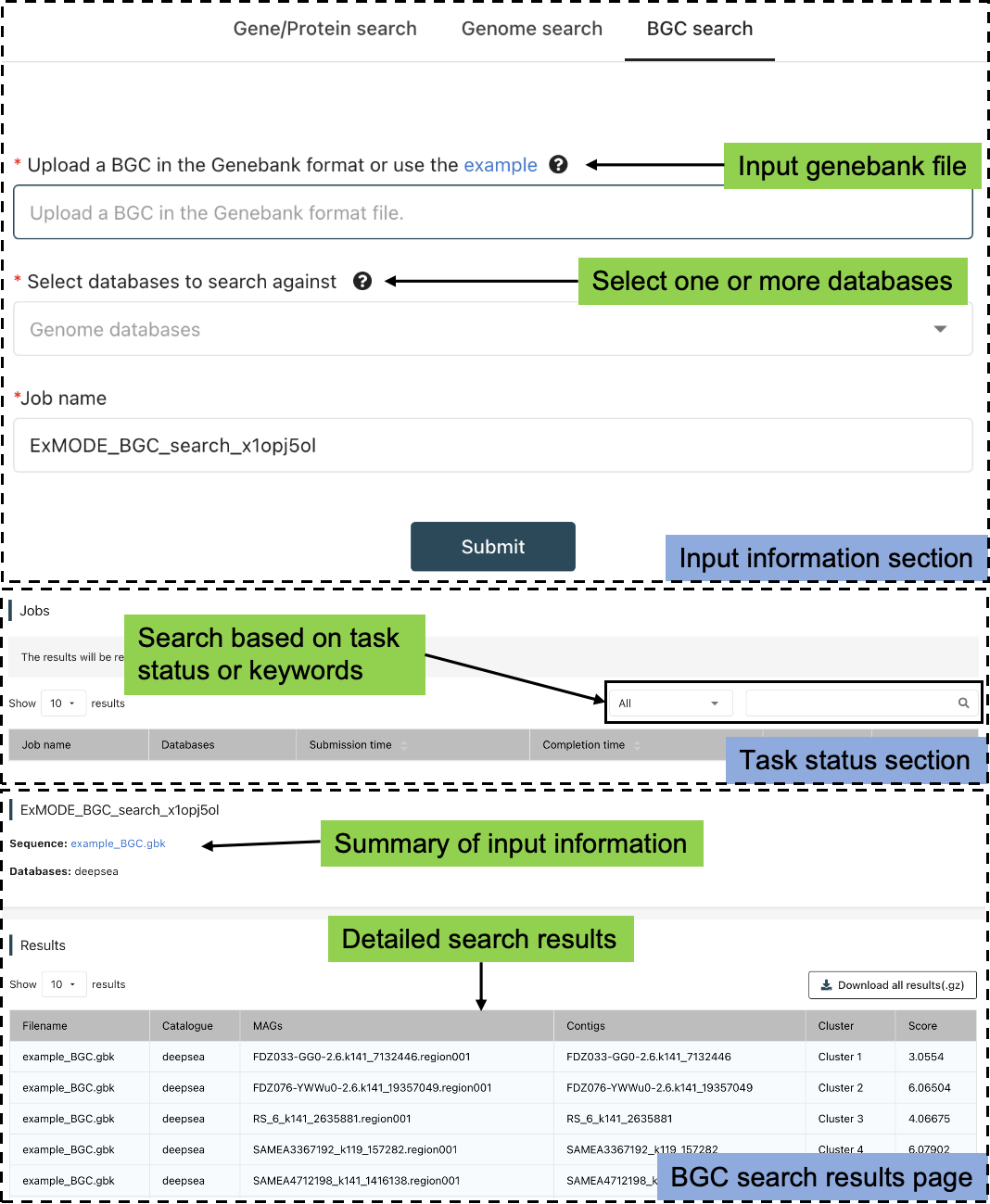
StructFinder
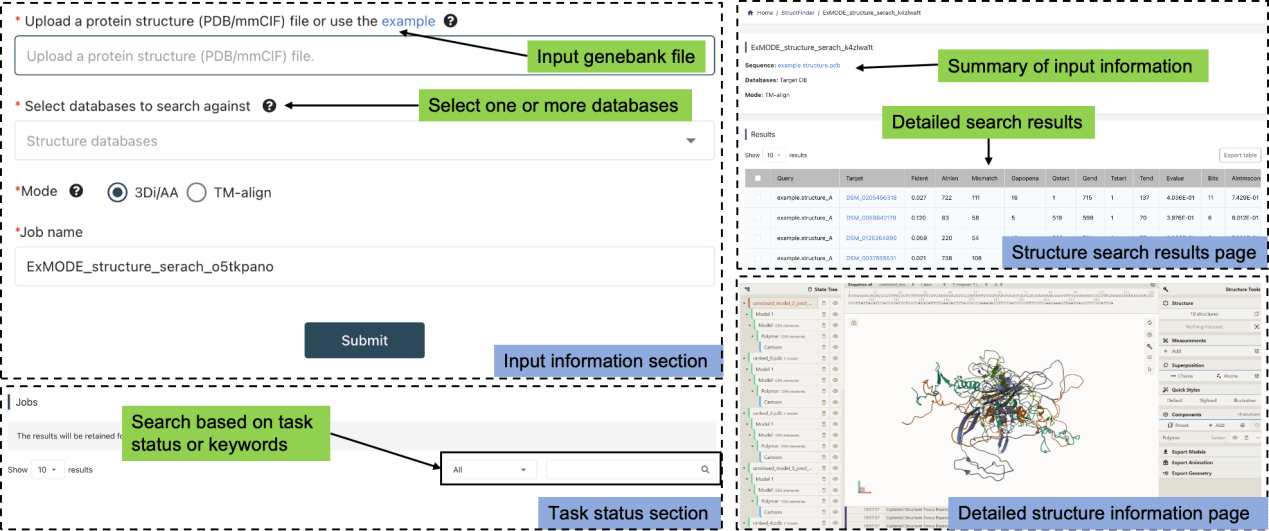
In this module, users can submit protein structures for analysis. The search tool employed is Foldseek software, which enables users to choose one or multiple databases for their searches. Once the results are submitted, users can monitor the status (waiting/Running/Success/Error) of their tasks and employ filters to manage their historical tasks. Note: The results will be retained for one week before being automatically deleted.
Browse
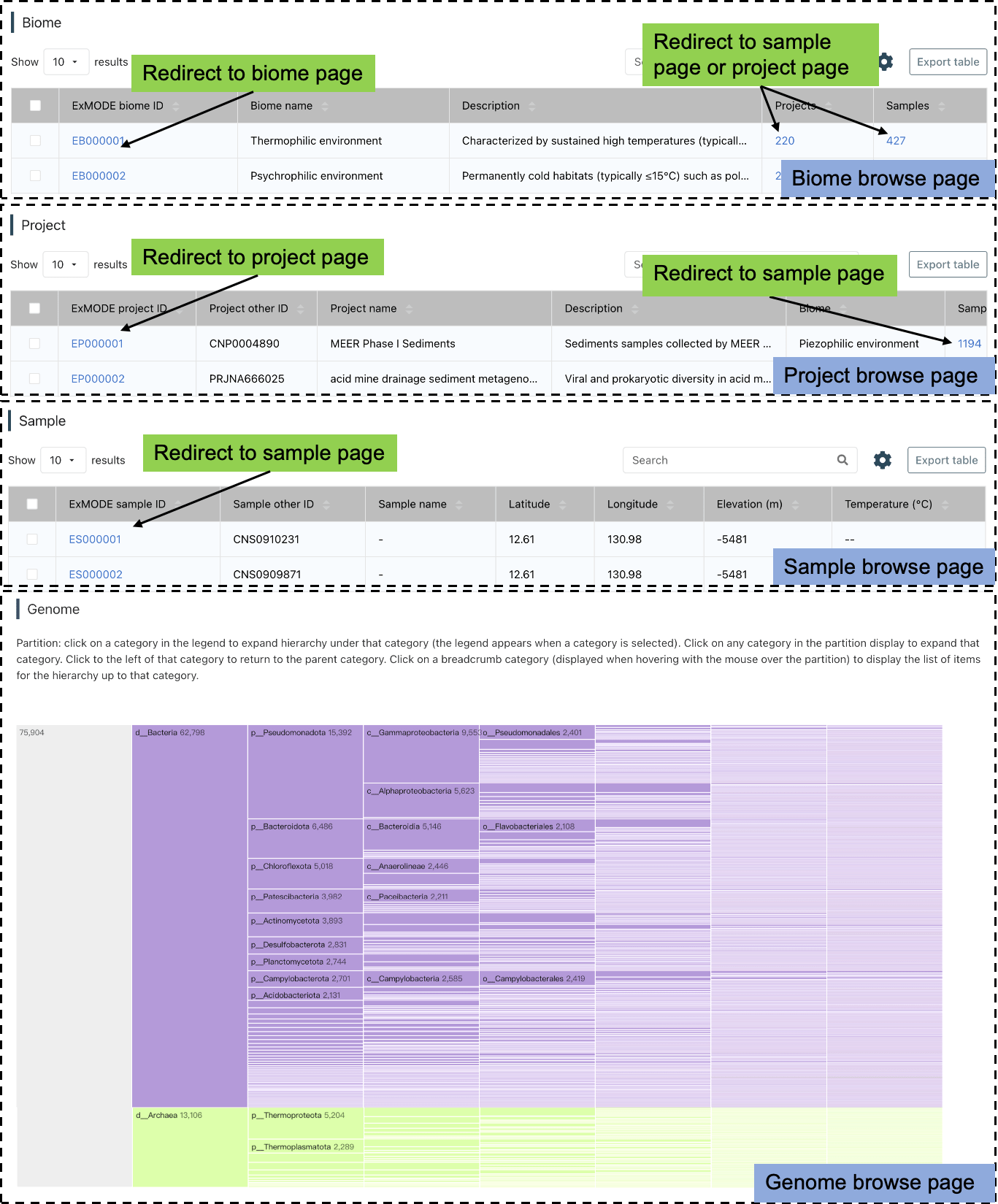
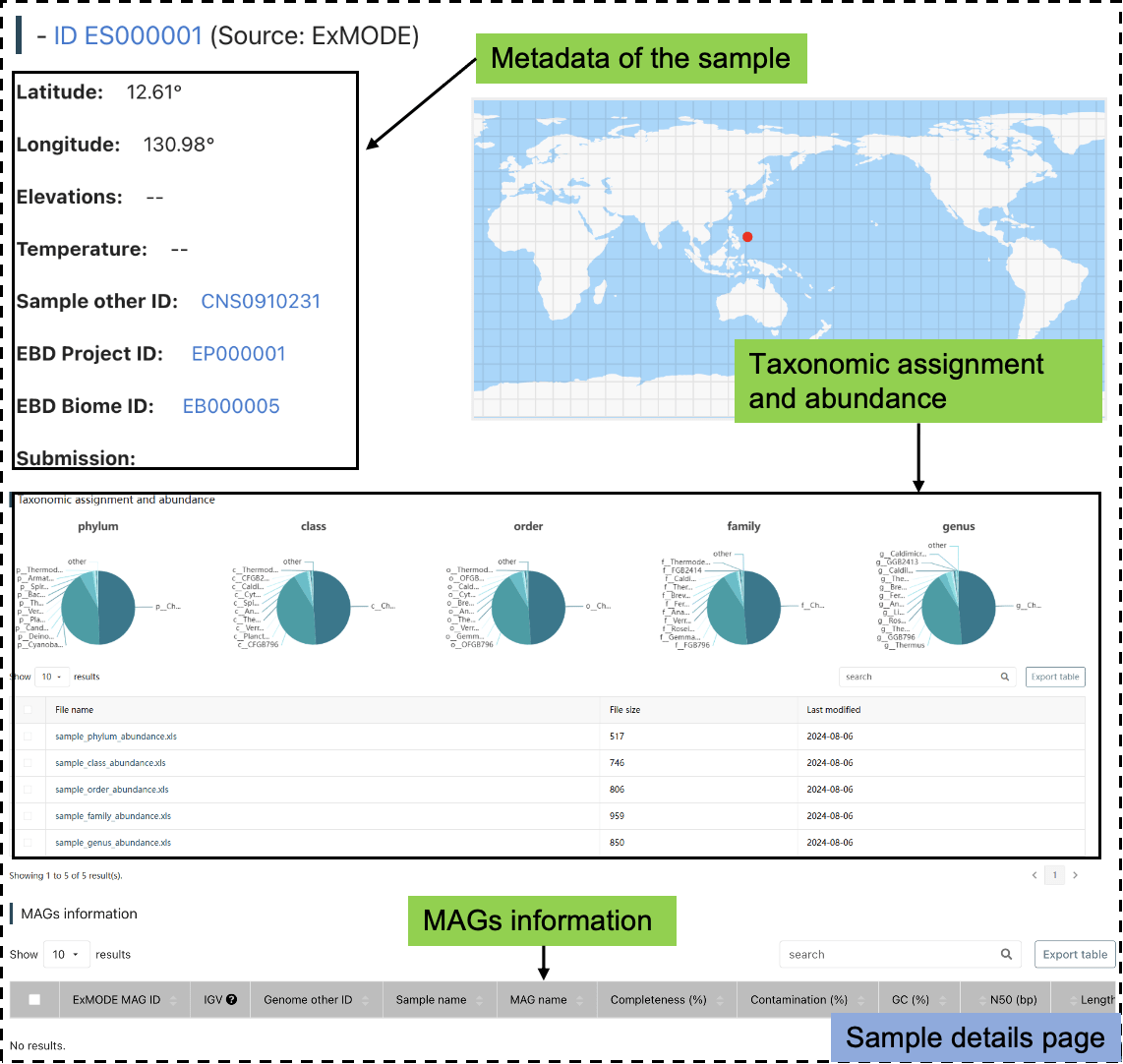
In this module, users have the ability to explore data across various levels, including biome, project, sample, and genome. Additionally, they can execute pertinent screening and filtering tasks.
OmicsSet
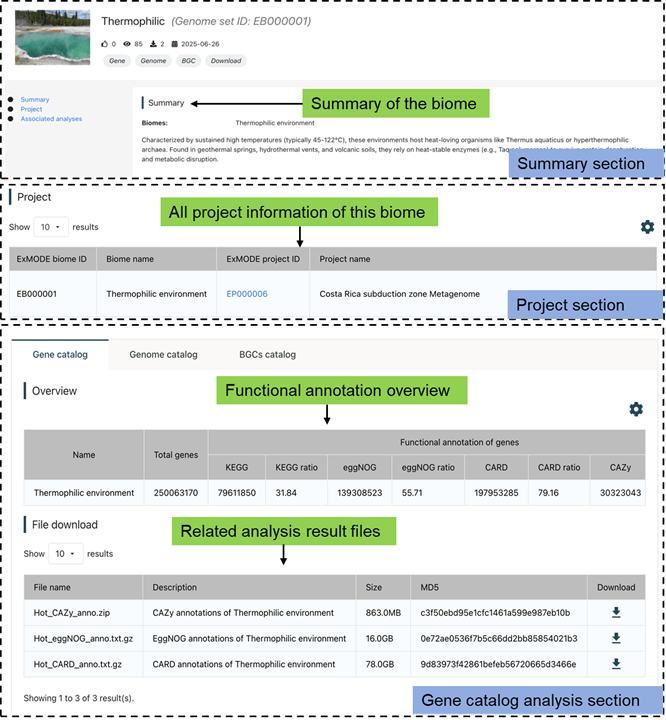
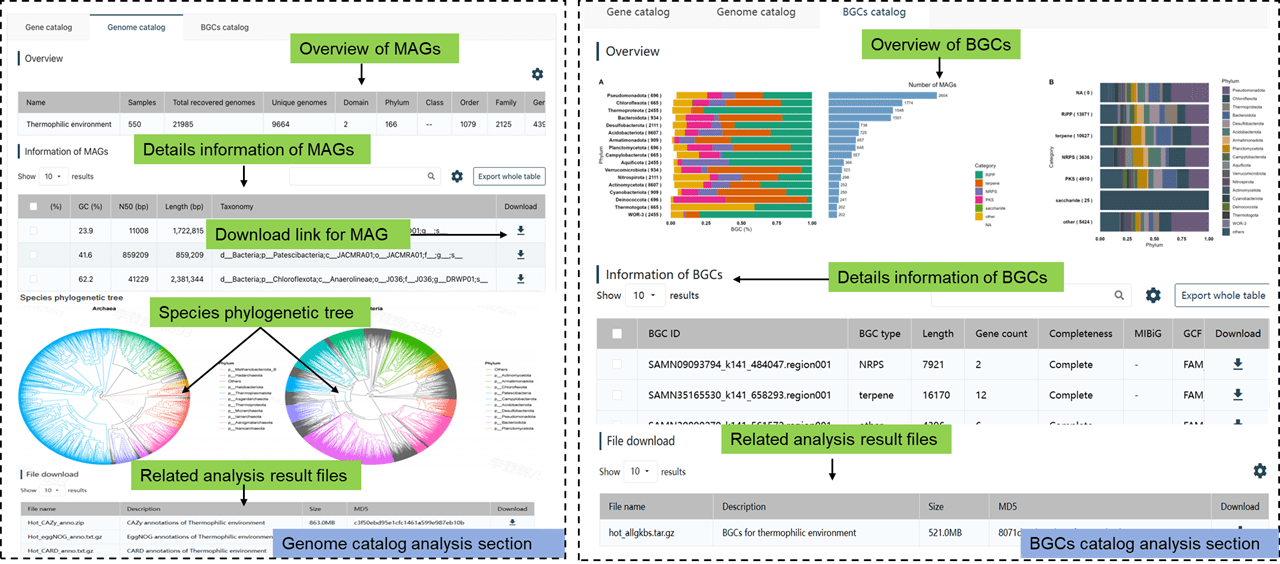
In this module, we constructed gene sets, genome sets, and BGC sets for various extreme environments and performed further analysis. Users can explore specific projects within different habitats, analyze the results in detail, and download related files.
Collection
ExMODE offers tailored database services to support research on life in extreme environments. Researchers have the option to collaborate with ExMODE in developing a specialized database for extreme environment studies, or they can opt to deploy their own bespoke database on the ExMODE platform.
Tools
In this module, we offer a suite of tools designed to support research into extremophile life by aiding in structure prediction, functional annotation, and secondary metabolite prediction.
AlphaFold: A tool for predicting the joint structure of complexes—including proteins, nucleic acids, small molecules, ions, and modified residues — it has significantly improved accuracy in protein-ligand, protein-nucleic acid, and antibody-antigen interactions;
AntiSMASH: This utility helps identify and analyze secondary metabolite biosynthetic gene clusters (BGCs) within microbial genomes;
eggNOG-mapper: A swift bioinformatics tool for functional annotation of novel sequences, utilizing orthologous groups and phylogenetic trees from the eggNOG database to transfer functional information via orthologous assignment.